
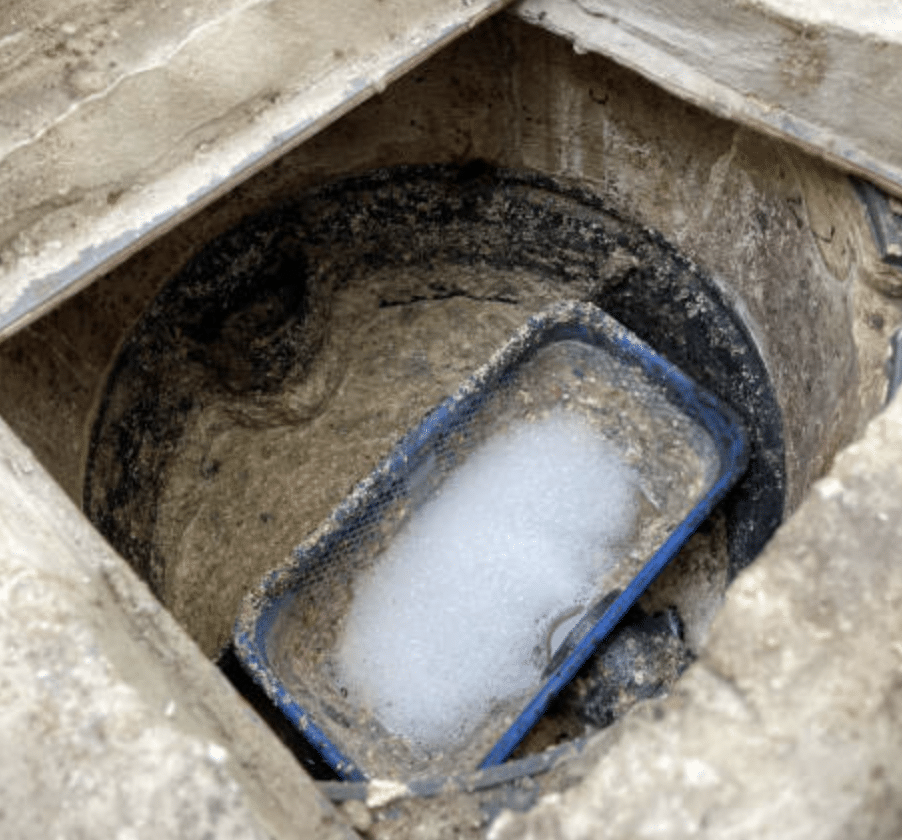
Why Grease Trap Maintenance Matters More Than You Think
If you run a restaurant, cafe, or commercial kitchen in Everett, your grease trap probably isn’t top of mind until something goes wrong. But neglecting it can lead to costly, disruptive problems that hit your business when you least expect it. The good news? Most of these issues are completely avoidable with routine grease trap cleaning services. Let’s look at three problems you can sidestep with a little regular maintenance.
Problem 1: Clogged Drains and Sewage Backups
Grease, oil, and food particles build up inside your trap over time. When it’s not cleaned often enough, that buildup can block your plumbing entirely. This often leads to slow drains, foul odors, or worse, a full sewage backup in your kitchen.
A backup doesn’t just smell bad. It can shut down your kitchen for hours or days while you wait for emergency plumbing repairs. That means lost revenue, frustrated staff, and unhappy customers who can’t get served.
Routine grease trap cleaning in Everett keeps your pipes clear before grease has a chance to harden and block the system. It’s a simple habit that protects your daily operations.
Problem 2: Costly Fines and Failed Health Inspections
Local health departments and municipal codes take grease management seriously. If your trap isn’t cleaned on schedule, you risk failing an inspection or facing fines for non-compliance.
Health inspectors check for signs of poor grease management, including overflow, odor, and improper disposal records. A failed inspection can mean more than a fine. It can also mean a public health rating that scares away customers.
Staying ahead of your cleaning schedule keeps your paperwork in order and your inspection scores high. It’s a small investment that protects your reputation and your bottom line.
Problem 3: Pest Infestations and Unpleasant Odors
A dirty grease trap is an open invitation for pests. Cockroaches, flies, and rodents are drawn to the smell of rotting grease and food waste. Once pests find a reliable food source, they don’t leave easily.
On top of the health risk, a grease trap that isn’t cleaned regularly gives off a strong, unpleasant odor. That smell can seep into your dining area or kitchen, turning off customers before they even sit down.
Consistent cleaning removes the buildup that attracts pests in the first place. It also keeps your kitchen smelling the way it should, like food, not waste.
How Often Should You Schedule Grease Trap Cleaning?
Most commercial kitchens need grease trap cleaning every one to three months, depending on how much grease and oil they produce. High-volume kitchens, like busy restaurants or fast-food locations, often need monthly service. Smaller operations may be able to stretch to quarterly cleanings. A professional service can help you figure out the right schedule based on your trap size and kitchen output.
Frequently Asked Questions
How do I know if my grease trap needs cleaning?
Common signs include slow drains, bad odors near the kitchen sink, and visible grease buildup around the trap lid. If you notice any of these, it’s time to schedule a cleaning.
What happens if I don’t clean my grease trap regularly?
You risk clogged pipes, sewage backups, pest problems, and failed health inspections. All of these can lead to downtime and unexpected costs.
Can I clean a grease trap myself?
Small traps sometimes allow basic maintenance, but full cleanings usually require professional equipment and proper grease disposal. A licensed service ensures the job meets local code requirements.
Ready to Protect Your Kitchen?
Don’t wait for a backup, a fine, or a pest problem to force your hand. Regular grease trap cleaning keeps your kitchen running smoothly and your business protected. The Grease Group offers dependable grease trap cleaning services for Everett businesses of all sizes. Call today or schedule your service online to keep your kitchen compliant and problem-free.
Posted on July 27, 2026 | Published by Ignite Local | Related Local Business
