
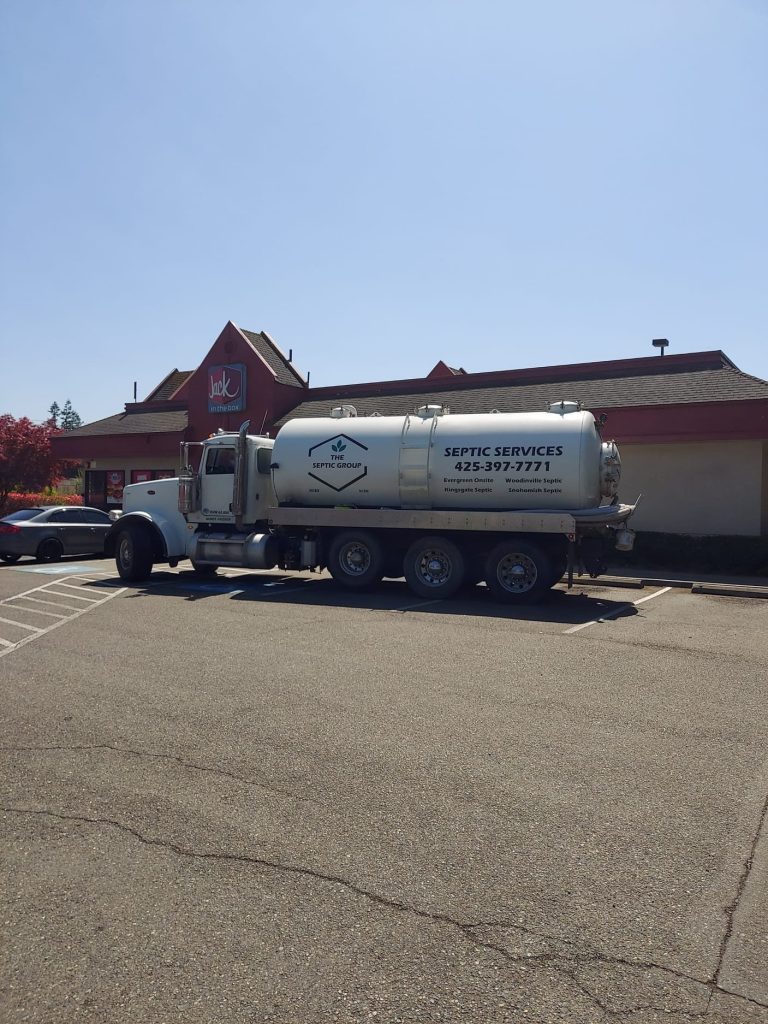
When your septic system backs up, smells bad, or stops draining, it can feel overwhelming. Do you need a simple fix, or is it time for professional septic system repair? This guide explains the signs, causes, costs, and next steps so you can protect your home, yard, and plumbing before the problem gets worse.
What Is a Septic System and How Does It Work?
A septic system handles wastewater when a home is not connected to city sewer. Wastewater flows from the home into the septic tank, where solids settle and liquids move into the drain field. When any part of this process fails, you may need repairs to stop backups, flooding, or contamination.
Signs You May Need Septic System Repair
If you notice one or more of these issues, it may point to a failing system:
Slow drains throughout the home
Not just one sink—multiple fixtures draining slowly is a red flag.
Gurgling or bubbling sounds in plumbing
Air escaping the system often signals blockage or overload.
Wet spots or standing water in the yard
Especially above the drain field, even when it hasn’t rained.
Strong sewage odors indoors or outdoors
Smells often appear before visible failures.
Sewage backing up into tubs, toilets, or sinks
This requires immediate professional help.
Common Causes of Septic System Problems
Understanding the source helps prevent repeat issues.
Clogs and obstructions
Grease, wipes, and debris block pipes and baffles.
Full septic tanks
Skipping pumping leads to overflow and drain field stress.
Tree root intrusion
Roots break pipes and disrupt flow beneath the soil.
Drain field failure
Soil saturation can cause wastewater to rise to the surface.
Broken or aging components
Lids, filters, pipes, pumps, and risers wear out over time.
What Happens During Professional Septic System Repair?
Here’s what a trained technician typically does:
- Inspect tank, lines, and drain field
- Diagnose the source of failure
- Clear blockages or replace damaged parts
- Test flow and function
- Recommend maintenance or upgrades
A reputable provider will explain findings clearly and give upfront pricing before work begins.
How to Prevent Future Septic Repairs
Simple habits can extend the life of your system:
- Pump every 2–3 years (based on usage)
- Keep grease, wipes, and chemicals out of drains
- Spread out laundry and dishwasher loads
- Protect the drain field from parking or construction
- Watch for early warning signs and act quickly
Why Call a Local Expert for Septic System Repair?
DIY fixes often make problems worse. Professional repair protects:
- Your home’s plumbing system
- Property value and landscaping
- Health and groundwater safety
- Long-term system performance
A trusted local team understands soils, regulations, and system types in your area.
FAQs About Septic System Repair
How do I know if I need a repair or just pumping?
If the system works normally after pumping, it was likely full. If symptoms continue, a repair is needed.
How long does septic repair usually take?
Minor fixes may take an hour. Drain field or component replacement may take longer, depending on the issue.
Can septic systems fail without warning?
Yes—many problems start underground. Routine inspections help catch issues early.
Does homeowner’s insurance cover septic system repair?
Policies vary. Damage from negligence is rarely covered, but mechanical failure sometimes is.
What should I do if sewage backs up into my home?
Stop using water and call a septic professional right away to prevent more damage.
Need Septic System Repair in Mill Creek?
The Grease Group welcomes your business’s emergency grease trap and preventive maintenance needs. Our company is licensed and insured, and our team of technicians has the skills and training to address all your grease trap needs quickly and completely. If your under sink trap, grease holding tank or grease interceptor isn’t functioning at peak performance, contact us today for your free estimate.
Professional Septic System Repair in Mill Creek
Posted on November 23, 2025 | Published by Ignite Local | Related Local Business
