
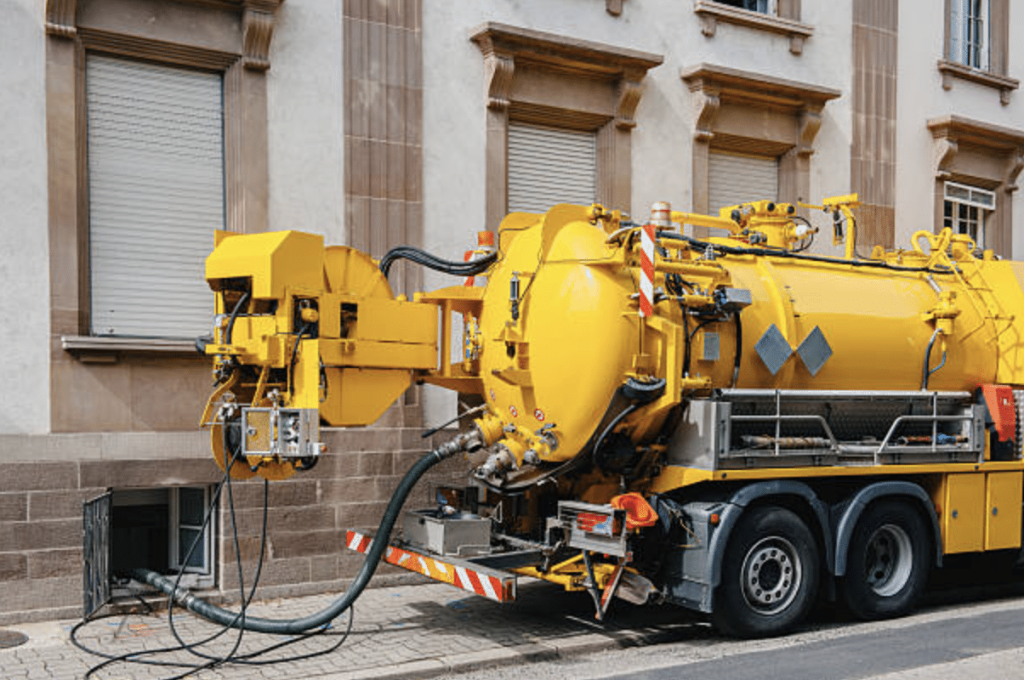
When it comes to keeping a commercial kitchen running smoothly, few pieces of equipment are as critical — or as overlooked — as the grease trap. Designed to capture fats, oils, and grease before they can enter the plumbing system, a properly functioning trap can prevent costly repairs, unpleasant odors, and even health code violations. However, maintaining it isn’t always as straightforward as it seems. Many businesses make critical errors that shorten the life of their system and increase the risk of backups. Here’s a closer look at three of the most common missteps with grease trap maintenance and how to avoid them.
Infrequent Cleaning
One of the biggest mistakes is not cleaning the trap frequently enough. Many operators believe they can stretch cleaning schedules to save time or money, but this often backfires. Over time, grease solidifies and builds up, which can clog the system and cause serious plumbing issues. Worse, if inspectors find that a kitchen is not maintaining its trap properly, they could issue fines or even shut the establishment down until the problem is corrected. Staying on a regular, professional cleaning schedule based on usage is crucial. High-volume kitchens may require servicing monthly, while smaller operations might be able to extend it slightly longer. Either way, setting and sticking to a proper schedule can prevent major headaches down the road.
Relying Only on Visual Inspections
Another common error is relying solely on visual inspections. Grease traps can look deceptively clean on the surface, but deeper layers of sludge can go undetected without the right techniques and tools. Visual checks might seem like an easy way to monitor conditions, but they often miss signs of trouble until it’s too late. In some cases, problems can be developing beneath the surface long before they become visible. That’s why it’s essential to use measurement tools and to trust experienced professionals who know how to assess whether a trap is genuinely functioning properly.
DIY Cleaning Without Proper Equipment
Finally, many business owners attempt to save money by taking a do-it-yourself approach without the proper equipment. While it might seem like a simple job, cleaning a grease trap thoroughly requires specialized tools and knowledge. DIY efforts often result in incomplete cleanings, leaving behind layers of grease and sludge that quickly cause new issues. Moreover, improperly handled waste can violate environmental regulations and lead to additional fines. Professional grease trap maintenance services not only ensure the trap is cleaned to code but also properly dispose of the waste in compliance with local laws.
Need Grease Trap Maintenance in Everett?
The Grease Group welcomes your business’s emergency grease trap and preventive maintenance needs. Our company is licensed and insured, and our team of technicians has the skills and training to address all your grease trap needs quickly and completely. If your under sink trap, grease holding tank or grease interceptor isn’t functioning at peak performance, contact us today for your free estimate.
Professional Grease Trap Maintenance in Everett
Posted on April 28, 2025 | Published by Ignite Local | Related Local Business
